

The research is clear. So are we.
FAQs

Everything you want to know about creatine, your biology, and how Arrival works

What it is
A naturally occurring compound your body produces and also gets from food — primarily meat and fish — in small amounts. Creatine plays an important role in cellular energy production by helping support the body’s natural ATP regeneration process, which muscles and the brain rely on for energy.*
It’s one of the most extensively studied supplements in the world, with over a thousand peer-reviewed studies and decades of research supporting its safety profile.
Creatine has long been marketed that way, but that’s only part of the story. It’s best known for strength and performance, but research has also expanded into areas like cellular energy, cognitive function, and healthy aging support* — all of which matter outside the gym, too.
Because it’s the most researched form available. The vast majority of creatine research — across strength, performance, and cognitive function — has been conducted using creatine monohydrate.* We chose the form the science continues to return to.
Who it’s For
No. Creatine isn’t only relevant if you train. But if you do resistance train, that’s where the evidence is stronges, particularly for strength, exercise performance, and long-term muscle support.*
Exercise itself remains foundational for bone health, which is why creatine is often studied alongside resistance training in healthy aging research.*
Yes. Hormonal shifts across a woman’s life may influence how creatine is synthesized, transported, and utilized in the body, which is part of why creatine is being discussed more seriously within women’s health research today.*
The research is promising across cognition, strength, and healthy aging, though perimenopause-specific data is still emerging.
Yes. We made creatine feel more approachable for women. Turns out men still like clean ingredients too.
How to take it
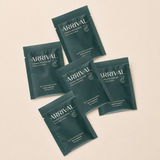
One scoop — 5g — mixed into water, a smoothie, or any cool beverage. Consistency matters more than timing. (Pro tip: stick with cool or room-temperature liquids for best results.)
Some people report noticing subtle differences in energy, focus, or training performance within the first few weeks. Research on creatine’s role in strength and exercise performance generally reflects more consistent use over time as creatine stores increase.*
Longer-term areas of research — including healthy aging and bone health — are still evolving and are typically studied alongside consistent resistance training and overall lifestyle habits.*
Not unless you want to. A daily 5g serving gets you where you need to go over time. Loading is simply a faster approach, not a requirement.
Some emerging research exploring cognition and brain health has studied larger or loading-style protocols, but that research is still developing. That’s why we stay with the most established daily serving: 5g of creatine monohydrate.
The formula
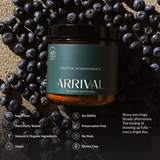
Because that’s what the product needs. 5g of creatine monohydrate — the amount most commonly used in research. Organic blueberry powder: real fruit, no “natural flavors.” Everything in the jar has a purpose.
Mild and clean. A light natural blueberry taste that dissolves well and doesn't compete with whatever you mix it into.
Arrival is third-party tested, sugar-free, gluten-free, and vegan.
Have a Question? Just ask.
We're real people. We'll give you a straight answer.
hello@shop-arrival.com

One scoop. Once a day. Simple.
Mix it into water, a smoothie, or any cool beverage.

Creatine works through consistency — it builds in your system over time. The most important serving is the one you actually take consistently. We made that as easy as we could.
Read The ScienceArrival Journal

Creatine: A Secret Weapon After a Sleepless Night?
Read More
4 Easy Ways to Add Creatine to Your Daily Routine
Read More
How to Choose the Best Creatine Supplement for Women in 2025
Read More
What Is Creatine and Why Should Women Use It?
Read More
Welcome to Arrival: A Premium Creatine Supplement for Women
Read More